Courses
Structured modules
Step by step course content covering measuring, cutting layouts, seams, hems, closures, and fitting textiles to real interiors.
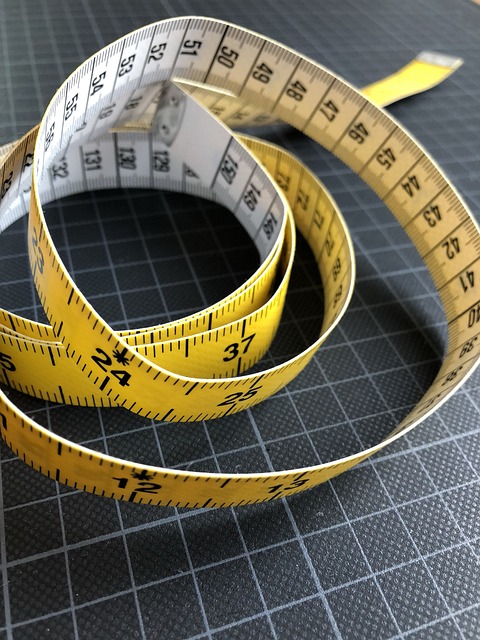
Learn how to measure windows, sofas, and beds so your textiles sit cleanly and look intentional.
From neat hems to durable seams, you will practice techniques that hold up to everyday use.
Understand basic safety for cutting tools, irons, and sewing machines, including maintenance checks.
OLKI GROUP, s.r.o. is an educational platform dedicated to the craft of creating home textiles. We publish structured courses and reference materials that help learners move from inspiration to a finished, usable item such as curtains, cushion covers, table linens, or bedding accessories. Our content prioritizes practical decision making: choosing suitable fabrics, planning seam allowances, selecting threads and needles, and understanding how different finishes behave after washing and daily wear.
The goal is clarity. Each learning path breaks down projects into repeatable steps, supported by tool explanations and safety basics. You can use the material as a guided course, or as a library when you need a quick reminder on measurements, fabric grain, pressing routines, or troubleshooting common stitching problems. The result is a calm, informative experience that supports thoughtful work and long term skills.
Lessons are organized around real home textile outcomes so you can connect techniques to finished items you can use.
Understand cutting, pressing, and stitching tools with guidance on safe handling and routine maintenance checks.
Learn how weave, weight, drape, and fiber content affect durability, feel, and care requirements in the home.
Build habits around pressing, seam finishes, and edge treatments so projects look clean and last longer with use.
Practical learning support for home textile creation, from planning and material choice to finishing and care. Use these resources as a complete learning path or as quick reference while you work.
Step by step course content covering measuring, cutting layouts, seams, hems, closures, and fitting textiles to real interiors.
Clear explanations of sewing tools, needles, feet, cutting tools, pressing equipment, and safe setup for home workspaces.
Articles and checklists for fabric care, pressing routines, troubleshooting stitches, and finishing details that elevate results.
Practical approaches to curtains, cushions, table linens, and bedding accessories with attention to fit, durability, and maintenance.
Use the site in a way that matches your experience level. If you are starting out, follow a course path from tools to your first finished item. If you already sew, jump straight to equipment notes or finishing references. Each section is written to be practical: you can apply it immediately at your workspace.
Start with Courses for structured programs, or open Learning Resources for targeted guides.
Use Equipment Knowledge to confirm needle type, thread choice, pressing settings, and safe handling of cutting tools before you start.
Work through measurements, cutting layouts, stitching sequences, and pressing checkpoints. If something feels off, use troubleshooting references to correct tension, stitch length, or alignment.
Learn washing, drying, and storage basics so your work stays neat. We explain how fabric fibers and finishes react over time and how to plan projects with realistic upkeep.
Common questions about our home textile learning content, tools, and course structure. If you need help choosing where to start, the answers below will point you to the right section.
Not always. Several learning resources cover hand stitching, measuring, cutting, and pressing routines that apply regardless of machine access. For larger projects like curtains, a machine is helpful, and our equipment guidance explains common features and safe setup.
Our focus is home textiles such as curtains, cushion covers, simple upholstery elements, table linens, and bedding accessories. The techniques emphasize durability, clean finishing, and realistic care routines.
We explain fabric weight, fiber content, drape, and weave structure in plain language. You will learn how these factors influence hemming, pressing, stain resistance, and long term appearance, so you can choose materials that suit your home.
Yes. Beginner friendly explanations are paired with optional depth for experienced makers. If you are new, start with the basic tool overview and a small project module, then expand to more advanced finishing methods over time.
The information on this website is for informational and educational purposes only. It is not a substitute for professional training, manufacturer instructions, or safety guidance specific to your tools, materials, and environment. Always follow the user manuals for sewing machines, irons, cutters, and electrical equipment, and use appropriate personal protective measures when needed. If you are unsure about a procedure, seek guidance from a qualified professional or an experienced instructor.